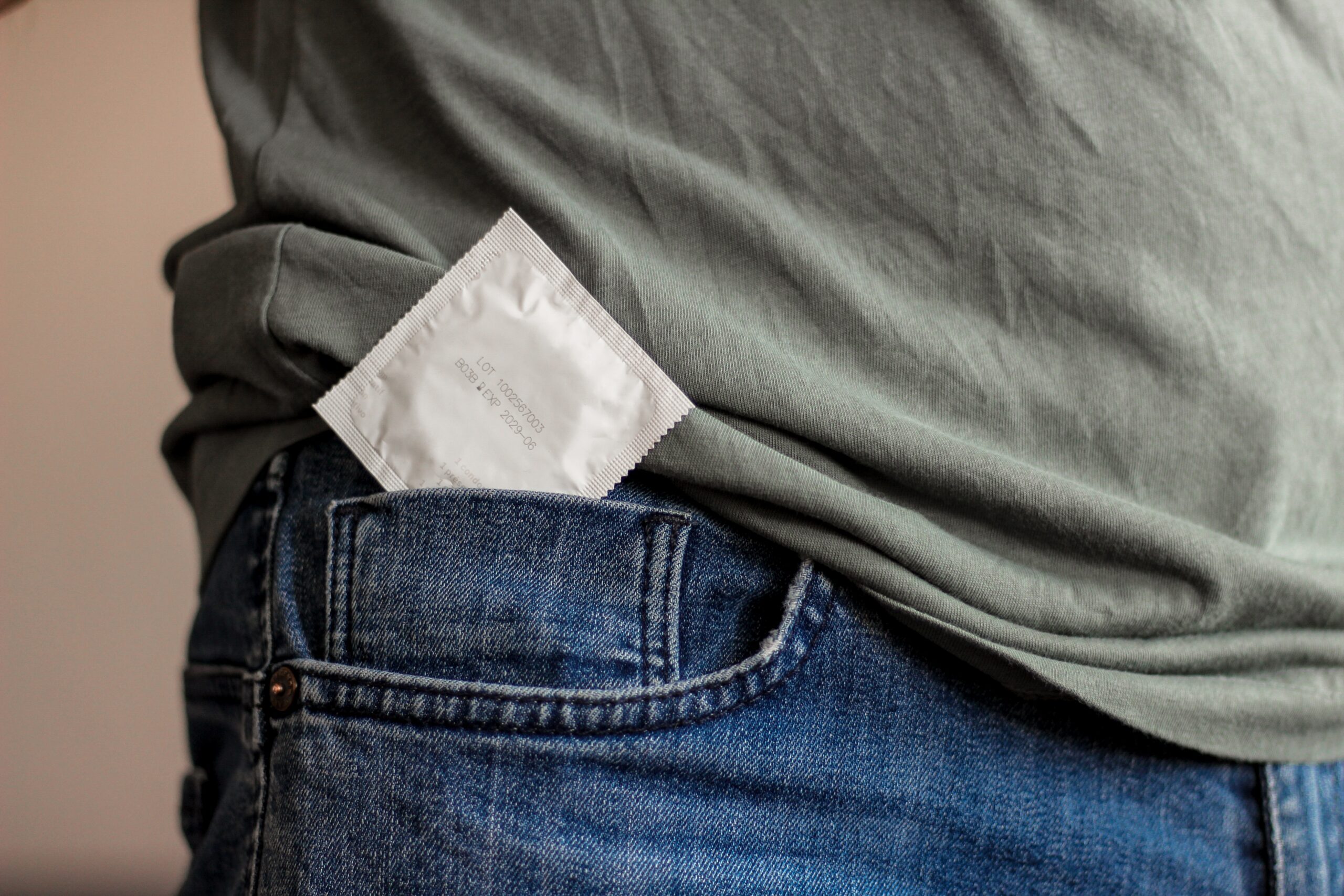

Summer is here, and for many people, that means travel. For some, that adventurous spirit carries into all aspects of their life. You might be more social, feeling more adventurous, and you might meet someone at a festival, a bar, or through an app in a city that’s new to you.
Sex while traveling just takes a bit more planning than sex at home, since you cannot take your regular provider, pharmacy, or testing clinic along with you.
This guide covers what to do before you leave, what to bring with you, how to handle a situation while you’re away, and what to do when you get home.
Stock Up on Free Condoms and Get Tested Before You Leave:
Get tested. If you’re planning to be sexually active while traveling, knowing your current status before you go is one of the smartest things you can do. Free STD testing in St. Louis, MO is available at Health Stop STL with no appointment required. Getting an HIV test in St. Louis gives you a clean baseline, catches anything you might not know about, and means you’re not carrying uncertainty into new encounters. Walk-ins are always welcome at Health Stop STL.
If you can’t make it in before your trip, an at-home HIV test kit can be ordered for free through https://takemehome.org/ and will arrive discreetly before you leave.
Check in on your PrEP. If you’re on PrEP for HIV prevention, make sure you have enough medication to last your entire trip plus a few days. Don’t assume you can get a refill easily in another city or country. PrEP requires consistency to be fully effective. If you’re not on PrEP and you’re planning to have sex with new partners while traveling, it’s worth a conversation with your provider before you leave.
Get vaccinated if you haven’t already. Some vaccines are especially important for sexual health before you travel. The HPV vaccine protects against strains that cause genital warts and certain cancers. Hepatitis A and B vaccines protect against infections that can be spread through sex. The mpox vaccine is recommended for people at higher risk. If you’re unsure which vaccines you’ve had, check with your provider well before your trip, since some require more than one dose over several weeks.
Pack your STD/HIV/Pregnancy prevention toolkit. Don’t count on finding condoms at your destination, since quality and availability can vary, especially in rural or international locations. Free condoms are available near you at Health Stop STL. Bring more than you think you’ll need. If you use internal condoms, lube, dental dams, or other barrier methods, pack those as well. Keep them in your carry-on if you’re flying, since checked luggage can get lost. If there’s any chance of pregnancy, it’s also worth knowing where to find Plan B for free near you before you leave, since access abroad can be unpredictable.
Know where to get PEP if you need it. PEP is an emergency medication for potential HIV exposure that has to be started within 72 hours. Before you travel, look up how you’d access it at your destination. In the United States, hospital emergency rooms can prescribe PEP. Internationally, availability varies. In some countries, you can get it over the counter at a pharmacy. In others, it requires a doctor visit or may not be available at all. Knowing this in advance could be the difference between getting it in time and not.
Consider Doxy PEP. If you’re a gay or bisexual man or transgender woman who has had a bacterial STI in the past year, talk to your provider about Doxy PEP before your trip. It’s a single dose of doxycycline taken within 72 hours after sex that significantly reduces the risk of chlamydia, gonorrhea, and syphilis. Traveling and having sex with new partners is exactly the kind of situation it was designed for.
Facts To Remember For Safe Sex While Traveling
STI risk is higher when you travel. STI incidence is increased up to three-fold in people who have casual sex while traveling internationally, largely because new sexual networks mean new exposures.
Apps make it easier to meet people and to connect quickly. Hookup apps work in most cities and many international destinations. Meeting someone fast can also mean you talk less about sexual health than you would with someone you’ve known longer. It’s important to be intentional here because being clear about your comfort level and what protection you’re using matters, no matter how you meet.
Being away makes inhibitions fly out the window. This is human and completely normal. Being somewhere unfamiliar, where no one knows you, can make it feel like the usual rules don’t apply. Enjoy that feeling. Just bring your sexual health habits with you alongside it. The freedom to meet new people and the discipline to protect yourself shouldn’t be in conflict.
Drug and alcohol use can affect your decisions. Alcohol and other substances can increase your chances of risky exposures while traveling. Knowing this ahead of time and keeping condoms in your pocket or bag, instead of waiting to get them later, is a simple step that can make a big difference.
Local laws vary. This matters more for international travel. Some countries have laws that criminalize same-sex activity, penalize people with HIV who don’t disclose their status, or restrict access to certain medications. Being aware of local laws and respecting them is essential not only for your safety but for avoiding legal trouble. Research your destination before you go, particularly if you’re LGBTQ+ or living with HIV.
If Something Happens While You’re Away
Think you were exposed to HIV? Don’t wait for symptoms. Go to a hospital emergency room or urgent care as soon as possible. PEP must be started within 72 hours to work, and starting within 48 hours is even better. In the United States, any emergency room can provide it. Internationally, look for a public hospital or search for HIV organizations nearby. The countdown starts from the moment of exposure, not when you decide to seek help.
Think you may have been exposed to an STI? If you have symptoms such as unusual discharge, sores, burning, or a rash, find a clinic or urgent care center. Many cities have sexual health clinics that serve walk-ins. If you’re abroad and can’t easily find one, some symptoms can wait until you get home as long as you avoid further exposure and get tested promptly on arrival. Others, like syphilis sores, can be contagious. Use your best judgment and prioritize getting care quickly.
Something didn’t go as planned. Maybe a condom broke, things felt out of your control, or you made a choice you’re now unsure about. All of these are worth addressing when you get home. There’s no judgment here; just get tested and talk with a provider about your next steps.
When You Get Home: Free STD Testing in St. Louis, MO
Test after any trip where you were sexually active with new partners. This is the single most important thing on this list.
You may have used condoms every time and still want to test, and that’s the right call. Some STIs transmit through skin-to-skin contact that condoms don’t fully cover. HIV testing, and testing for chlamydia, gonorrhea, and syphilis, is the responsible thing to do after a summer trip where you were sexually active.
The CDC Yellow Book, which is the standard reference for travel health, recommends pre-travel STI and HIV screening and treatment as part of any travel health encounter for people planning to be sexually active abroad.
Health Stop STL offers free, confidential testing with no appointment required. Come in when you get back.
The Short Safe-Sex-While-Traveling Version
Before you go: get tested, check your PrEP supply, pack more condoms than you think you need, and know how to access PEP at your destination.
While you’re away: bring your prevention habits with you, know your limits with substances, and act fast if something happens.
When you get home: get tested.
Summer should be enjoyable. A little preparation helps keep it that way. Have questions before your next trip? Reach out at to us at Health Stop, we’re here to help.