
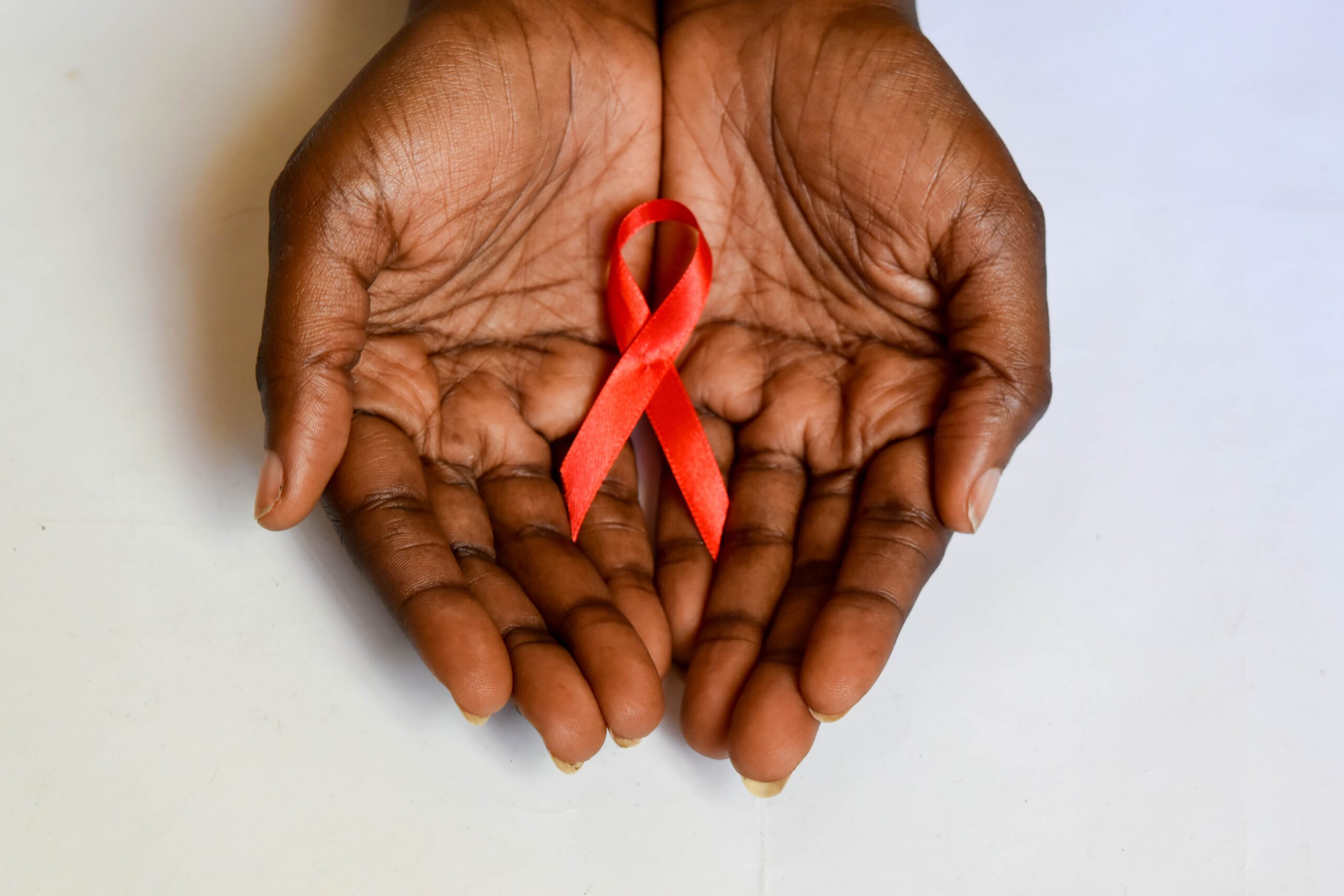
February 7 is National Black HIV/AIDS Awareness Day. The focus is simple and urgent: increase access to prevention, testing, and treatment, and close long-standing gaps in outcomes for Black communities. The official NBHAAD campaign and federal partners call for action on stigma, access, and early care so people can learn their status and stay healthy.
Why this day matters
NBHAAD centers the disproportionate impact of HIV on Black communities and urges local action: educate, engage, and empower. CDC’s observance highlights both progress and ongoing challenges, encouraging communities to expand testing, prevention tools like PrEP, and linkage to care.
What you can do this week in St. Louis
Get tested for free
The City of St. Louis Department of Health operates the Health Stop Testing and Referral Center at 1520 Market Street. Testing is confidential and no-cost, with easy transit access near the Civic Center Transit Center. Walk in or plan a quick visit.
St. Louis also has trusted partners. Vivent Health provides HIV testing, prevention services, and linkage to care at 2653 Locust Street, with extended prevention hours midweek. Youth and young adults can also access rapid testing through The SPOT at Washington University.
If you need clinic details, hours, or phone numbers, Health Stop STL keeps an updated contact page and a local guide to testing options, including St. Louis County Sexual Health Clinics that offer walk-in, no-cost services.
Ask about prevention that fits your life
PrEP is highly effective at preventing HIV from sex when taken as prescribed. Talk with a provider about daily pills or long-acting injections and find a start that works for you. If you had a recent possible exposure, ask immediately about PEP, a 28-day medication course that must begin within 72 hours. Health Stop STL can connect you to both.
Pair testing with whole-person support
Care is not only a lab result. Vivent Health and community clinics can help with prevention counseling, linkage to medical care, and supportive services. If you test positive, early treatment can help you reach an undetectable viral load, which improves health and prevents sexual transmission. Use NBHAAD as a prompt to set up your testing rhythm and your prevention plan.
Keep the momentum after February 7
Set reminders to test every 3 to 6 months if you have new or multiple partners, and at least once a year for many others. If you have oral or anal sex, ask for throat and rectal swabs along with urine or vaginal testing. Combine strategies: condoms, PrEP, regular testing, and fast access to PEP when needed. Health Stop STL can help you map a plan that respects your goals and reduces risk.
Resources
National
- NBHAAD official site: campaign tools, messaging, and ways to take action.
- NIH HIVinfo: NBHAAD overview and educational materials.
- CDC Dear Colleague letter on NBHAAD (theme and priorities).
St. Louis
- Health Stop Testing and Referral Center, City of St. Louis Department of Health: address, service details, and transit info.
- Health Stop STL contact page for appointments and questions.
- Guide to local testing options, including St. Louis County Sexual Health Clinics.
- Vivent Health St. Louis: HIV testing, prevention hours, and comprehensive services.
- The SPOT at Washington University: rapid HIV and STI testing for youth and young adults.