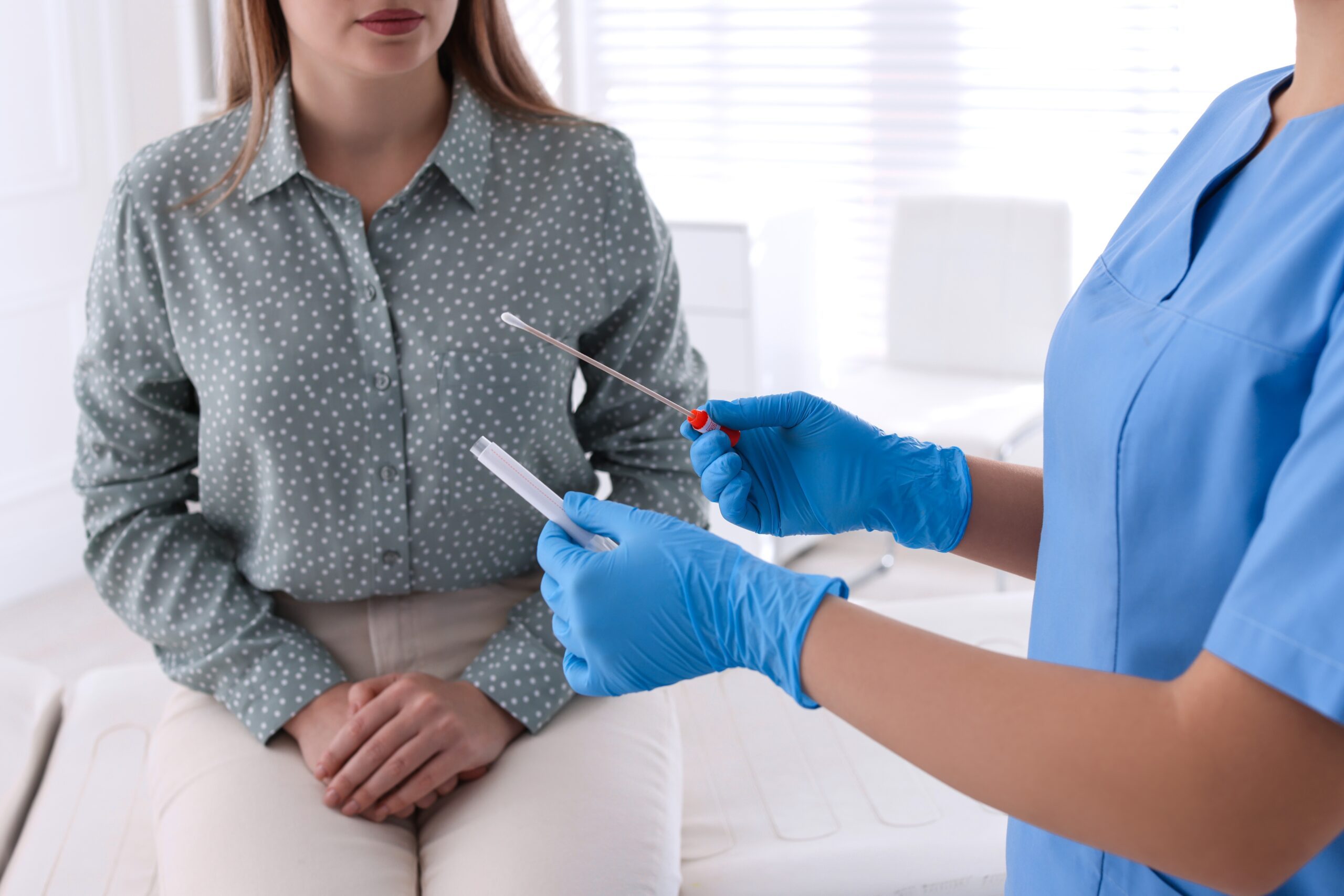

Why Testing Every 3-6 Months Matters
If you’re sexually active, getting tested every 3 to 6 months is a vital part of maintaining your sexual health. Regular testing helps prevent the spread of STIs, ensures early treatment, and gives you peace of mind. According to the Centers for Disease Control and Prevention (CDC), STI testing is one of the most important things you can do to protect your health (CDC, 2024).
Who Should Get Tested For STDs?
● Everyone ages 13 to 64 years should be tested at least once for HIV (CDC, 2024).
● Sexually active women younger than 25 should be tested for gonorrhea and chlamydia every year.
● Women 25 and older with risk factors (new/multiple partners or a partner with an STI) should also be tested for gonorrhea and chlamydia annually.
● Pregnant women should be tested for syphilis, HIV, hepatitis B, and hepatitis C early in pregnancy, with repeat testing if needed.
● Sexually active men who are gay or bisexual, or men who have sex with men, should be tested:
○ For syphilis, chlamydia, and gonorrhea, they should be tested at least once a year, and more frequently (every 3 to 6 months) if they have multiple or anonymous partners.
○ For HIV, at least once a year, or more frequently if at higher risk.
○ For hepatitis C, at least once a year if living with HIV.
● Anyone sharing injection drug equipment should get tested for HIV at least once a year.
● People who have had oral or anal sex should discuss throat and rectal testing options with their healthcare provider.
Types of STI Tests Available
HIV Testing – Rapid tests provide results in minutes.
Chlamydia & Gonorrhea Testing – Urine or swab tests detect bacterial infections.
Syphilis Testing – Blood tests identify syphilis infection.
Herpes Testing – A swab or blood test confirms the virus if symptoms appear.
HPV Testing – Recommended for individuals at risk.
Talk to Your Healthcare Provider About Your Sexual Health
Having an open and honest conversation with your healthcare provider about your sexual history can help determine which STI tests are right for you. If you’re not comfortable discussing STIs with your regular provider, many clinics offer confidential and free or low-cost testing (CDC, 2024).
Where to Get STD Tested
Confidential and free testing is available at Health Stop STL and other local clinics. Many locations offer walk-in testing services to ensure accessibility. Visit the Get Tested website to find fast, free, or low-cost confidential testing near you.
Take Charge of Your Sexual Health
Regular STI testing is a proactive way to stay informed and protect yourself and your partners. Make it part of your routine and encourage others to do the same. Visit Health Stop St. Louis today for free and confidential STI testing!